


THE EMOTION MIND BODY CONNECTION
THE EMOTION MIND BODY CONNECTION
A warm, research informed exploration of how your emotions, beliefs and nervous system shape your physical wellbeing and everyday experience and why this work goes deeper than mindset alone.
Understanding Why We Feel The Way We Feel
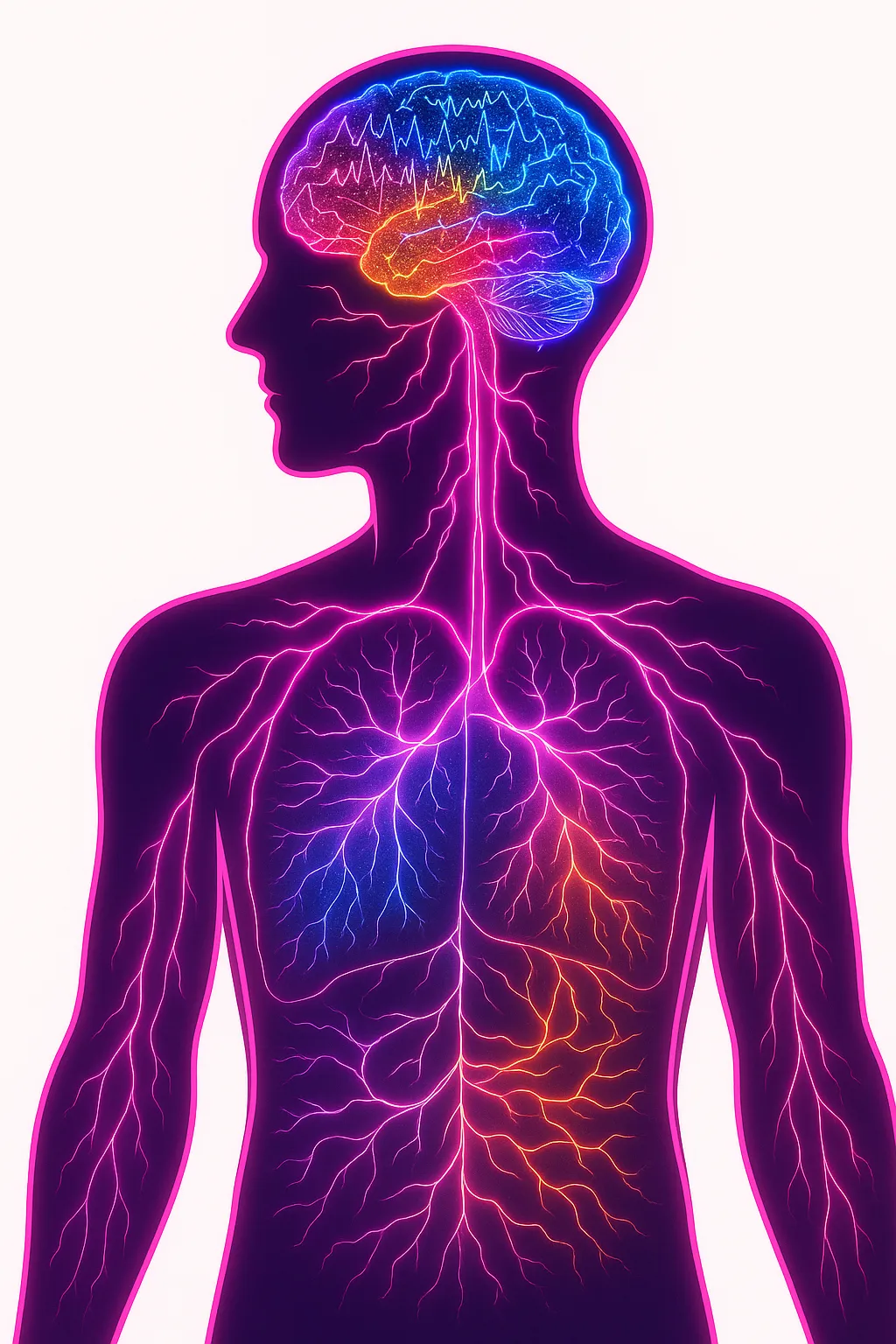
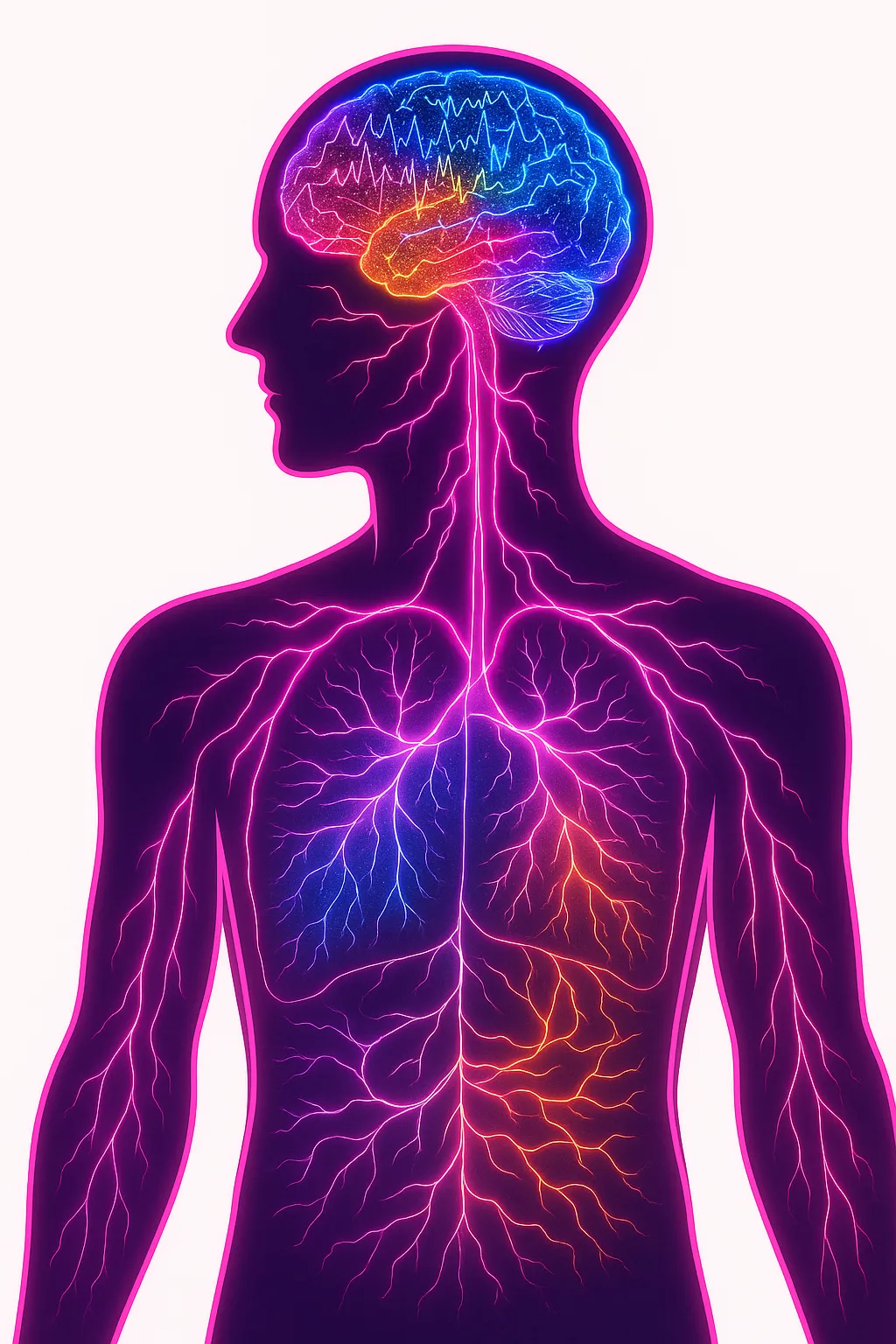
Your mind and body are always in communication.
Stress, grief, pressure, fear, guilt or self doubt do not stay in the mind alone. They influence your hormones, your nervous system, your immune function and how your body responds to life.
This page is here to help you understand the deeper connection in a gentle, human and grounded way, without clinical jargon or overwhelm.
My Story & Why This Matters

For 23 years in the NHS, I watched people with the same diagnosis have completely different outcomes.
Some recovered quickly.
Some stayed stuck for years.
Some declined rapidly.
And it wasn’t because their blood tests necessarily looked different, or their medication was different.
What varied was:
the emotional load they carried
the amount of stress they were living under
the support (or lack of) around them
their beliefs about themselves and their body
how safe they felt inside their own nervous system
This is what first made me question whether we are missing something important in healthcare.
Why do two people with the same condition
have completely different experiences of it?
Take menopause.
Every woman goes through it — but the severity is wildly different.
Why?
The answer, again and again, came back to
stress, unresolved emotions, past experiences, and how safe the nervous system feels during big transitions.
My own health journey brought this even closer.
When I repeatedly relapsed with Graves’ disease for over 2 years, I once asked my endocrinologist whether stress and grief could play a role.
He didn’t say no — he simply pointed to research linking relapse with smoking.
But this sparked something in me…
Is it really the smoking causing relapse — or the emotional distress beneath it that leads a person to smoke in the first place?
That question changed everything.
It made me stop looking only at behaviours…
and start looking at the emotional roots driving them.
This became the foundation for the work I now do.

Neuroscientist Abhijeet Satani , Tracey LC Wilson & BCCR®️founder Jessica Cunningham
February 2025
The Research Behind BCCR® — And Where My Work Fits In

Neuroscientist Abhijeet Satani , Tracey LC Wilson & BCCR®️founder Jessica Cunningham
February 2025
Neuroscientist Abhijeet Satani , Tracey LC Wilson & BCCR®️founder Jessica Cunningham
BCCR® has undergone several strands of scientific research, each looking at how emotional processing and subconscious rewiring affect the brain and body.
One major part of this work includes the EEG clinical trials, led by Neuroscientist Abhijeet Satani, Chief of Science for Belief Coding®.
These trials recorded brain activity during BCCR® sessions and showed activation in up to 32 regions of the brain, along with changes in emotional regulation networks and improvements in anxiety, depression and panic-related symptoms.
These EEG findings form the neurological foundation of BCCR® — showing how the method activates a whole-brain state where deep emotional change becomes possible.
Alongside the EEG trials, several additional studies have been carried out, including the Menopause Research, which I was honoured to have been invited to take part in alongside three other Practitioners by Founder of BCCR®️ Jessica Cunningham and this is where my own contribution took place.
I was part of the BCCR® Menopause Research Board, focusing specifically on how a single BCCR® session affects the emotional, physical and psychological symptoms associated with menopause/Peri-menopause.
This branch of the research did not use EEG.
Instead, outcomes were measured through changes in symptom severity:
Immediately after the session
One week later
One month later
This allowed us to understand how emotional processing can influence hormonal symptoms, cognitive clarity, mood stability and overall quality of life — even without brain-imaging.
Although I did not participate in the EEG trials themselves, these studies were part of the same wider research programme, and Satani’s team supported our menopause arm by guiding the scientific process and reviewing and assessing the data.
I have been honoured to be:
included in the research team behind a co-authored paper that will be published in Cureus Journal and indexed on PubMed by the end of 2025/start of 2026
These experiences have shaped not only my professional approach, but my deep belief in how emotional safety, nervous system support and subconscious rewiring influence both mental and physical wellbeing.
I have been honoured to be:
included in the research team behind a co-authored paper that was published in Cureus Journal and indexed on PubMed by the end of in 2026
These experiences have shaped not only my professional approach, but my deep belief in how emotional safety, nervous system support and subconscious rewiring influence both mental and physical wellbeing.
I have been honoured to be:
included in the research team behind a co-authored paper that will be published in Cureus Journal and indexed on PubMed by the end of 2025/start of 2026
These experiences have shaped not only my professional approach, but my deep belief in how emotional safety, nervous system support and subconscious rewiring influence both mental and physical wellbeing.
What the Science Shows
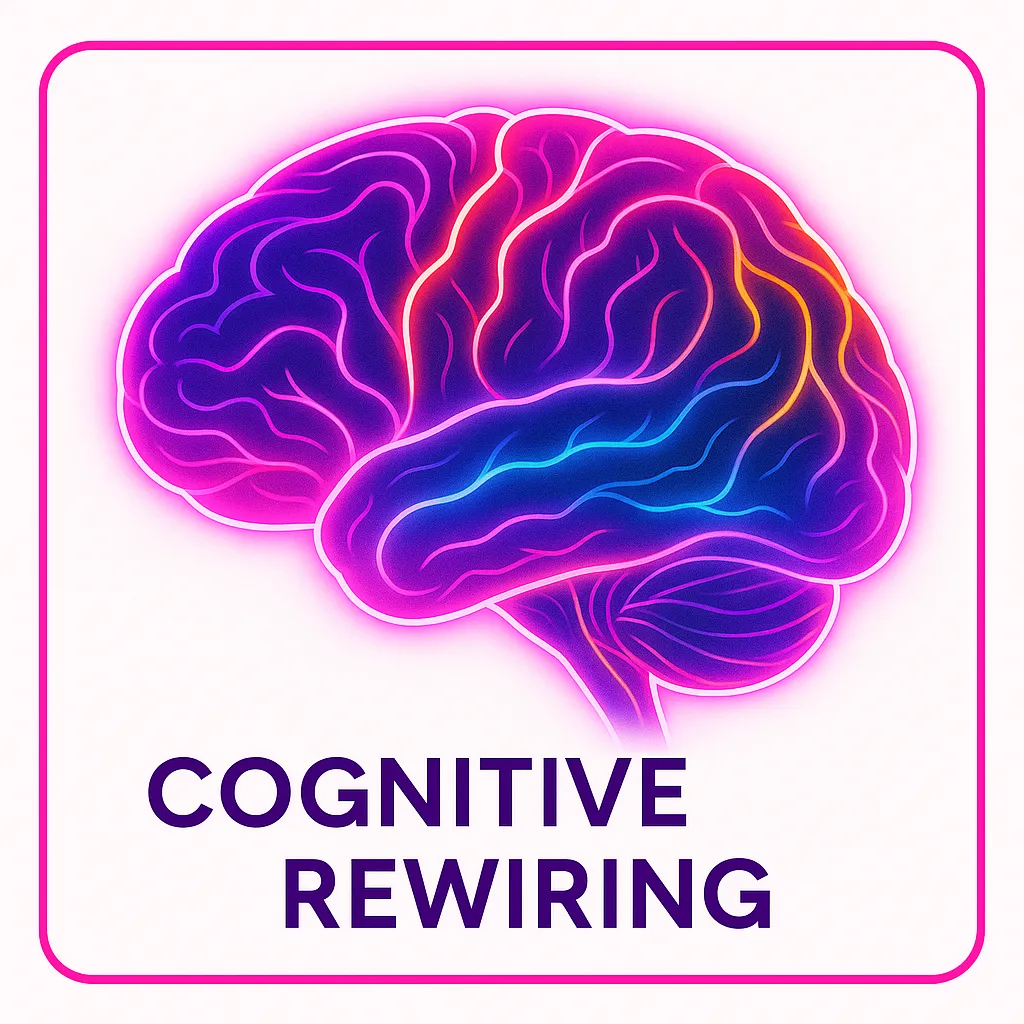
In the EEG trials, BCCR® sessions were shown to activate up to 32 areas of the brain in under two hours.
This is significant because:
Traditional coaching mostly activates thinking regions
CBT activates logic and reasoning centres
Meditation activates sensory + relaxation networks
Hypnosis activates trance states
EMDR activates bilateral processing + memory reconsolidation
But BCCR® activates a whole-brain state, meaning:
the emotional brain
the logical brain
the memory centres
the nervous system
the sensory system
…all work together at the same time.
This level of neural integration is what makes emotional shifts feel so natural and long-lasting.
How BCCR® Works
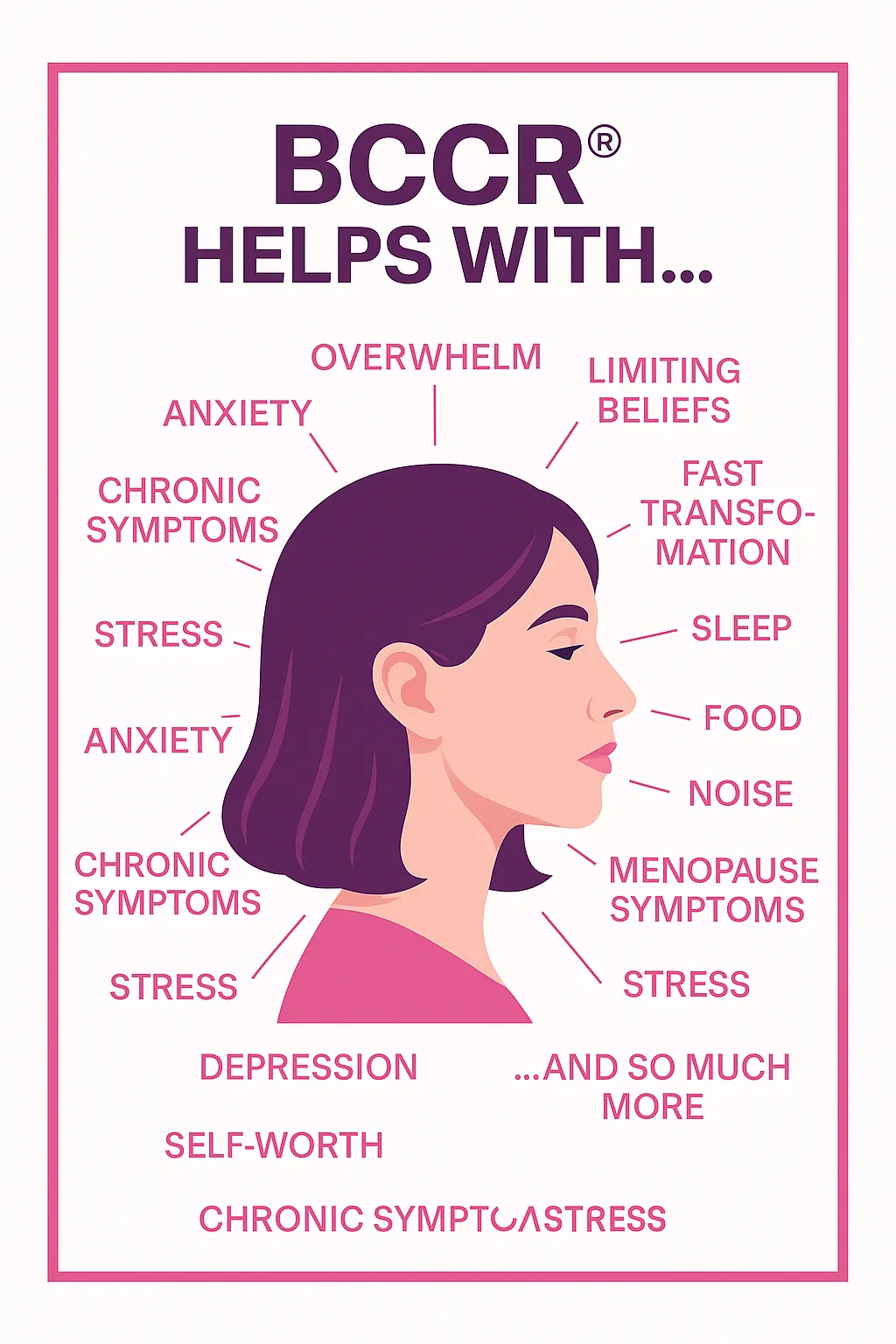
BCCR® is a structured, gentle, science-backed approach that helps you access the emotional root of patterns like:
anxiety
chronic stress
people-pleasing
self-sabotage
overthinking
physical tension
burnout
emotional eating
It works by guiding your nervous system into a state where old emotional memories become flexible again — a natural process called memory reconsolidation.
In that moment, the old belief or emotional imprint can be safely updated.
This is cognitive rewiring.
And because it happens at a subconscious level, your reactions begin to shift automatically — without forcing change or battling resistance.
BCCR®️ supports your wellbeing by easing emotional stress. Results vary, and this work complements — not replaces — medical guidance
The Spiritual (But Not Really Spiritual) Side
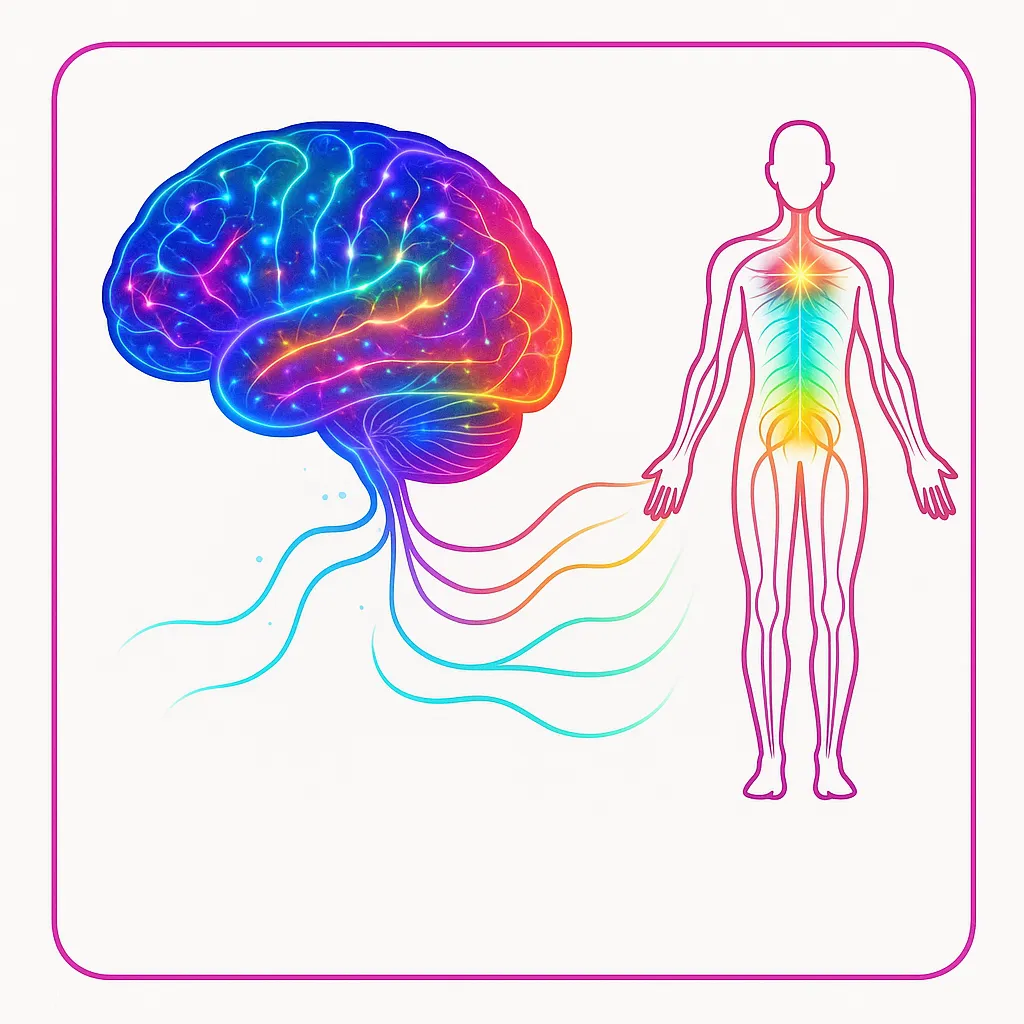
You don’t have to be spiritual to benefit from this work.
But here’s the truth:
Your brain doesn’t know the difference between imagination and reality.
That’s why:
movies make us cry
music pulls emotion from our chest
memories make us feel things physically
a single thought can tighten our stomach
This is the same mechanism we use in cognitive rewiring.
We create emotional experiences that the brain recognises as real — and the nervous system responds accordingly.
Some call that spiritual.
Some call it psychology.
Some call it neuroplasticity.
Whatever language you prefer, the important part is this:
Your mind and body are always listening to each other.
Many practitioners blend different modalities to create their own methods, and BCCR® is no different — it uses familiar elements seen in NLP, CBT, somatic work, meditation and guided imagery.
What makes BCCR® unique is the structured framework these elements are delivered within. It’s a bit like baking: you can use the same ingredients, but the method changes the outcome. The BCCR® framework — the order, sequencing and emotional processing steps — is what has been tested under EEG and shown to create measurable change.
None of these modalities are “better”; they simply work in different ways. BCCR® brings the most effective parts together into one cohesive, gentle and efficient process.
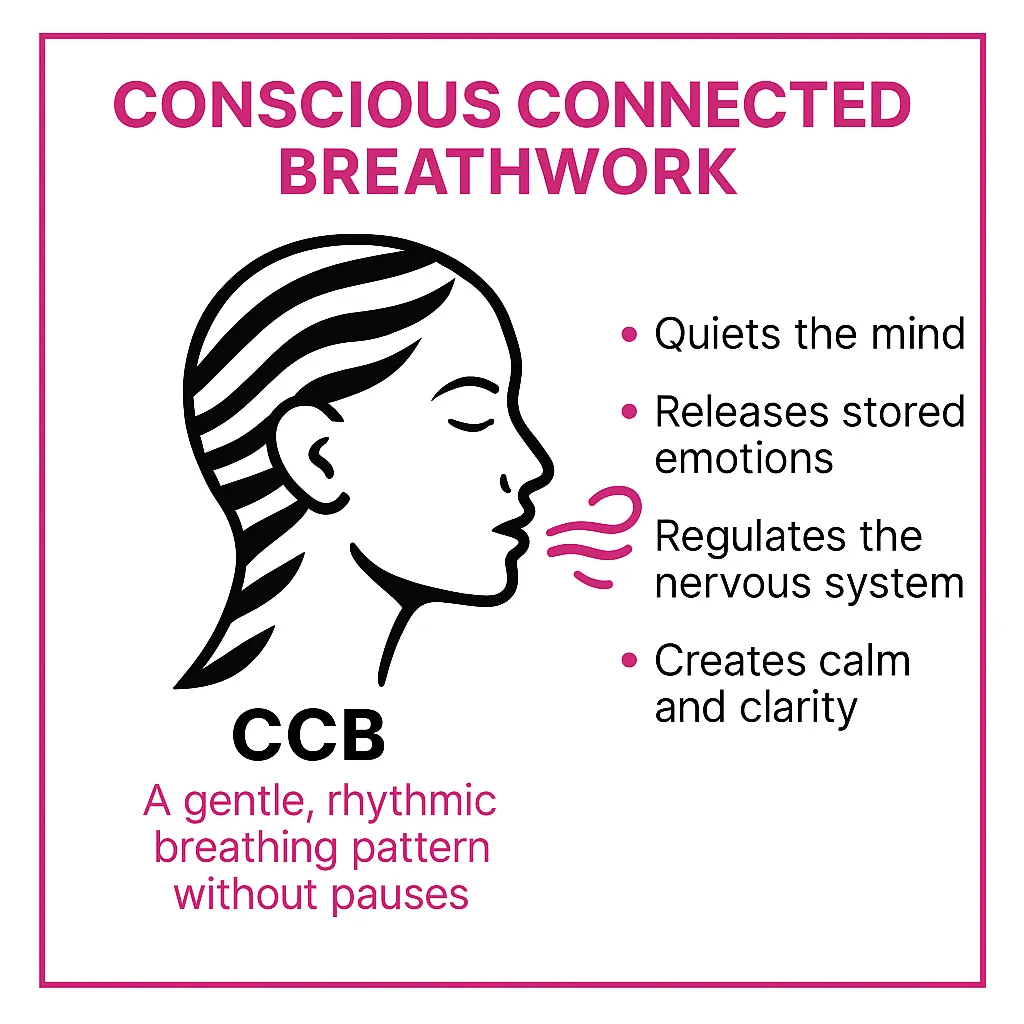
Conscious Connected Breathing (CCB)
&
The Vanta Method
The SubconsciousMind
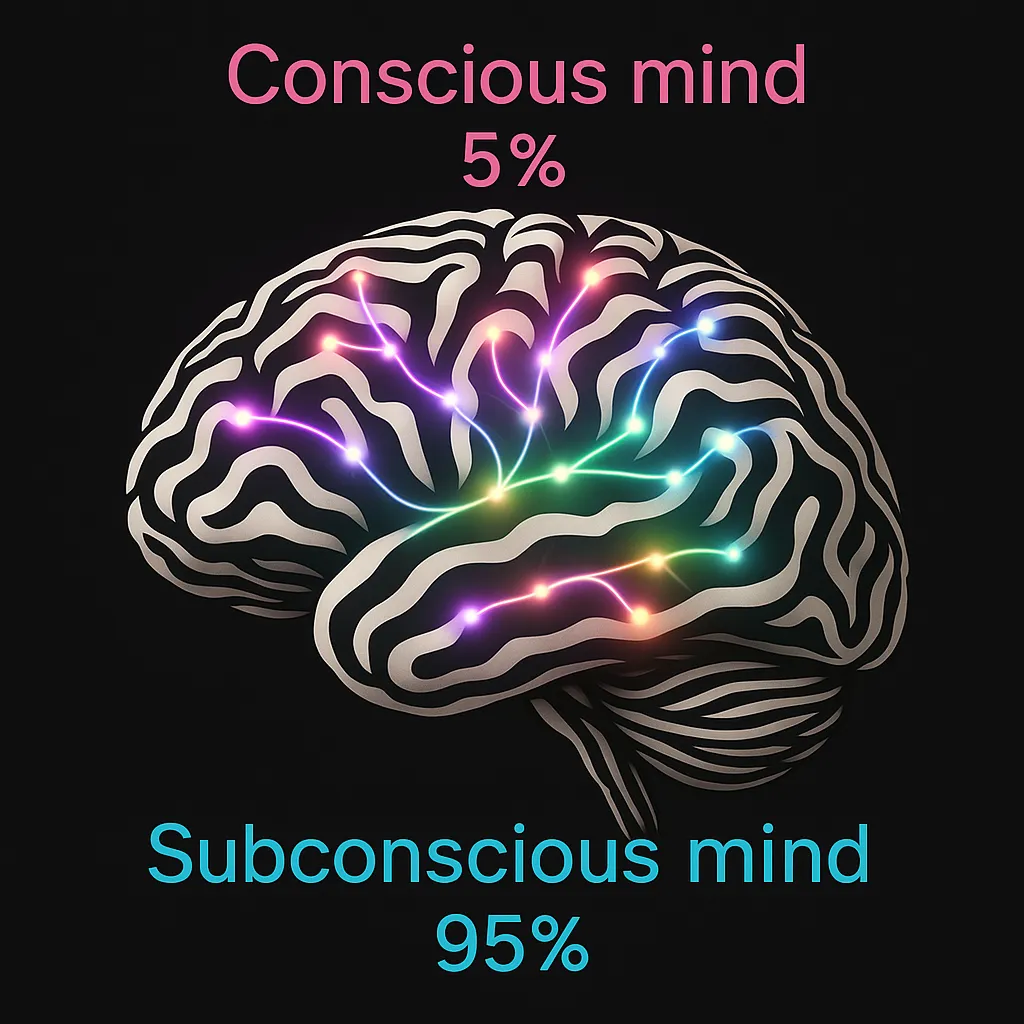
The subconscious isn’t mystical — it’s practical.
It stores:
emotional memories
survival strategies
habits
identity beliefs
emotional associations
And it drives around 95% of our reactions.
This is why:
we overreact
we shut down
we procrastinate
we fear things logically we know are safe
we repeat patterns we don’t want
What are Emotions?
(energy-in-motion)
Emotions are not “in your head.”
They are chemical and electrical signals.
When an old emotional imprint is triggered:
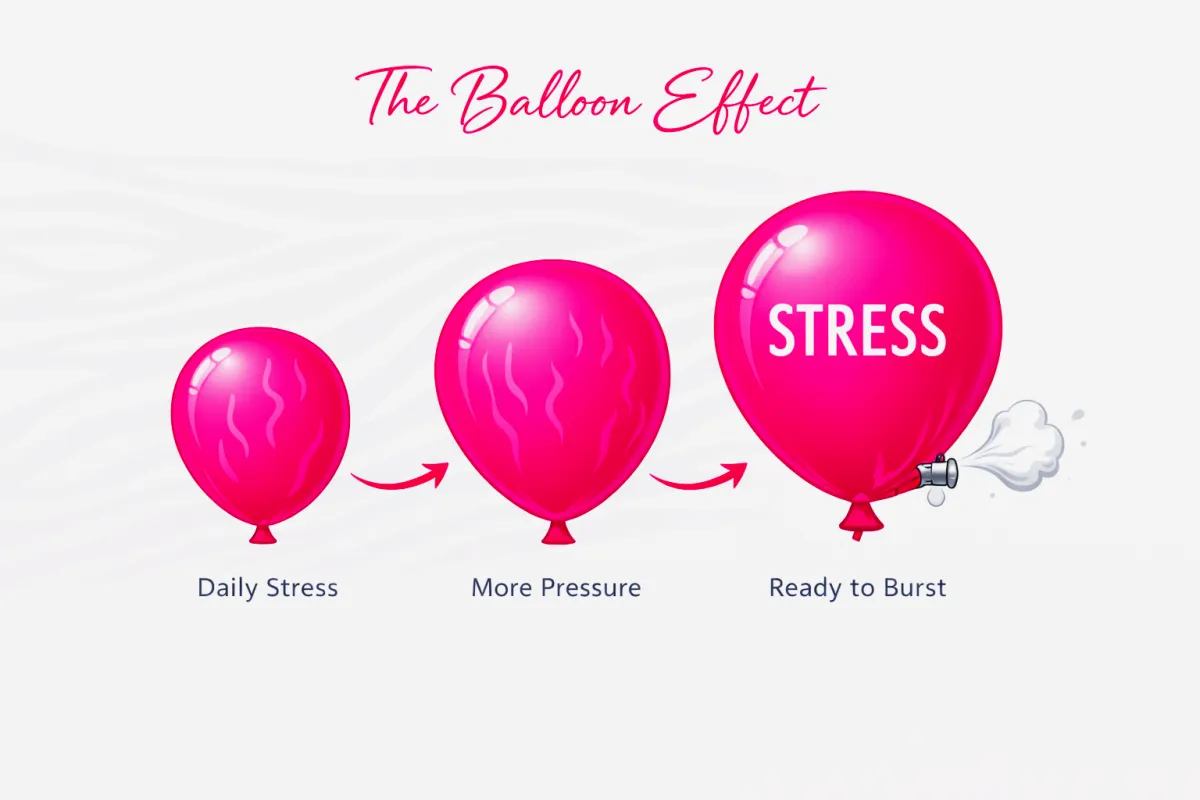
your heart rate changes
your breathing shifts
your cortisol rises
muscles tense
digestion slows
This is why people get:
IBS
chronic pain
fatigue
headaches
inflammation
…with no clear medical cause.
Your body is responding to your emotional history.
Releasing emotional imprints through the nervous system helps the body reset into safety again.
Why Emotional Work Reduces Physical Pain
Emotions + Pain Use the Same Brain Pathways
Emotional and physical pain activate overlapping areas of the brain. This is why stress can show up as:
headaches
muscle tension
digestive issues
chronic pain
fatigue
Why Pain Flares at Certain Times
Pain often increases when:
we’re overwhelmed
old emotional patterns are triggered
the nervous system feels unsafe
The brain chooses physical signalling because it’s easier to express than emotional distress.
A Note on Fibromyalgia & FND
I am not a doctor, and the specific methods I use (BCCR®️ and breathwork) have not been clinically tested for Fibromyalgia or Functional Neurological Disorder (FND). However, based on what we do know from neuroscience, we can make some helpful connections.
Both conditions involve a highly sensitive nervous system, where stress, emotional load, or subconscious threat responses can increase pain, fatigue, and functional symptoms. Research shows that:
emotional stress can heighten pain perception (central sensitisation)
the brain processes emotional and physical pain in overlapping networks
nervous system regulation can reduce symptom intensity for many people
This means that work aimed at reducing emotional overwhelm and calming the nervous system — like cognitive rewiring or somatic breathwork — may help reduce flare-ups or improve resilience, not as treatment, but as gentle nervous-system support.
This is simply the link I make based on neuroscience and emotional-processing research — not a medical claim, and not a replacement for GP care.
A Note on Autoimmune Conditions
In my own experience with Graves’ Disease, working on the emotional stress I carried — particularly around grief — helped reduce flare-ups and stabilise my body. This does not mean the work “cured” my thyroid and Auto-immune condition. Rather, it supported my system emotionally and neurologically, which contributed to my bloods being more stable, avoiding surgery, and no longer suffering the extreme symptoms that I had for a couple of years on medication alone.
Studies in psychoneuroimmunology (the science of how stress affects the immune system) show that:
chronic stress can increase inflammatory responses
unresolved emotional load can heighten autoimmune activity
calming the nervous system may help reduce symptom severity
For some people, reducing emotional stress through BCCR®️ or somatic breathwork may offer similar support — not as medical treatment, but as an additional layer of nervous system regulation that complements GP or specialist care.
A Note on Menopause & Emotional Processing
Every woman goes through menopause — but not every woman experiences symptoms in the same way or at the same intensity.
What research increasingly shows is that stress, emotional load and nervous-system dysregulation can amplify how the body experiences change.
Studies in stress physiology and psychoneuroendocrinology show that:
chronic emotional stress can heighten the sensitivity of the nervous system
this increased reactivity can worsen hot flushes, sleep disruption, anxiety, pain, and cognitive symptoms
women with higher emotional burden often report more severe menopausal symptoms
(Reference example: McEwen, “Allostatic Load and Stress Physiology,” 2007 — shows how long-term stress affects hormonal and neurological balance.)
Many women who sleep well, exercise regularly, eat consistently and have emotional support often report a smoother transition — not because their menopause is “easier,” but because their nervous system is under less strain.
This work (BCCR® + somatic breathwork) does not replace medical guidance.
But by helping you identify and release the emotional patterns, stress responses or subconscious blocks that make healthy habits harder to sustain, it can:
ease emotional load
reduce nervous-system reactivity
increase resilience
make lifestyle changes feel more achievable
Which, in turn, may help reduce the intensity of menopausal symptoms and improve day-to-day wellbeing.
This is simply the connection I make based on current stress research — not a medical claim, and not a replacement for GP or specialist care.
How BCCR® or Breathwork Helps
By releasing emotional pressure and rewiring the stress response, many people experience:
fewer flare-ups
lower pain intensity
better resilience
improved response to existing medical treatments
Not a replacement for medical care — but a powerful support to it.
Professional Recognition & Where My Work Is Featured

Where you can find me listed
I am listed on the Satani Research Centre website as one of the practitioners connected to ongoing BCCR® research developments. While my specific study did not involve EEG, the centre acknowledges contributors involved in the wider research landscape of the modality.
I am also listed on the official Belief Coding® website under the Research Board for the menopause study (currently being updated on their site).
Awards
Awards
BCCR® 100 Club Award – Dedication to Transformation (2024)
BCCR® 100 Club Award – Over 100 Facilitations Delivered (2025)
Interviews
In December 2024 I was invited to record an interview with Jessica Cunningham, discussing how BCCR®️ had helped me through Grief and Graves Disease which can be found on Th Belief Coding®️Facebook group
In March 2025 I was interviewed by Ray Coates on the Creative Shake-Up Podcast for his Youtube channel .
In July 2025 I took part in a live Instagram interview with Kyle Burrows, sharing my personal experience using BCCR® both for my own healing and with clients — offering deeper insight into the emotional, psychological, and physical changes this work can create.
Creative & Educational projects
Alongside my research and client work, I have had been given several opportunities that help make emotional health support more accessible:
I’ve co-hosted multiple episodes of The Being Human Podcast with Ray Coates, available on both his YouTube and Spotify, where we explore mindset, emotional wellbeing and the human experience.
Ray Coates also invited me to record “Messages of TLC” — a series of short, supportive reflections that was featured on his Radio Morning Show and now can be found on his Creative Shakeup Spotify channel.
I took part in the upcoming Is It Really....Menopause? documentary hosted by Belief Coding® founder Jessica Cunningham, soon to be released on the Belief Coding® YouTube channel.
I was invited to share a little bit of my story in Carol Azams 'Unbreakable Womens stories' book published December 2025
These projects reflect my passion for bringing compassionate, grounded emotional education into everyday life — blending science, lived experience, and the real human side of healing.
BCCR® Research & My Contribution to the Science
Innovative Approaches in Therapeutic Practices: The Framework of Belief Coding®️
EEG-Based Evidence for Belief Coding Therapy in Treating Mental Disorders: A Cross- Sectional Interventional Study
If you're curious about experiencing this work gently, safely and at your own pace, you may want to begin with:
The TLC Space — a grounding session to understand what your mind and body might need next.
Tracey LC Wilson/Inspiredbytlcwilson.com doesn not claim that Belief Coding®️ or any other methods listed here can diagnose, treat, or cure any medical or mental health condition.
The experiences listed above are examples of areas where clients or studys have reported improvement after reducing emotional stress and shifting underlying belief patterns.
This work is designed to support your wellbeing and may complement existing treatments — not replace medical advice or care. Please continue to follow guidance from your GP or healthcare provider.




Facebook
Instagram
LinkedIn